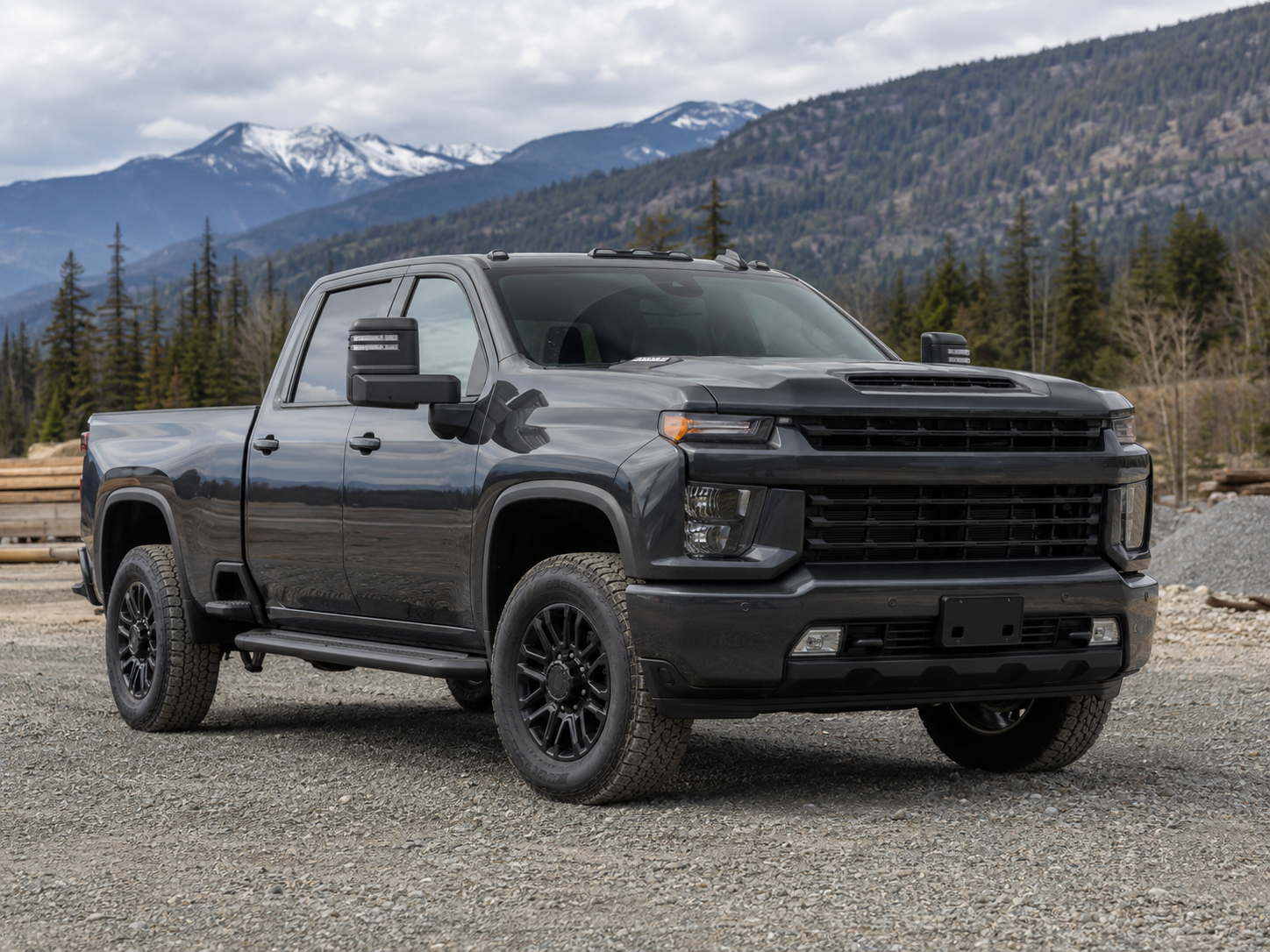
A diesel pickup can be an excellent long-term work vehicle, but the exact configuration and maintenance history matter as much as the badge on the grille.
1. Start with the truck’s intended job
Determine whether the truck was configured for towing, payload, fleet use or personal transportation. Confirm cab, bed, axle ratio, rear-wheel configuration and the ratings on the truck itself.
2. Review cold-start behaviour
A cold start may reveal battery, glow-plug, injector or compression concerns that are less obvious after the engine has warmed.
3. Inspect emissions and warning systems
Confirm the factory emissions equipment is present and functioning. Scan for codes and understand the implications of provincial inspection requirements.
4. Verify towing and payload correctly
Published maximums can describe a best-case configuration. Use the actual truck’s labels and equipment to confirm what it can carry and tow.
5. Get an independent inspection
A qualified diesel technician can help identify leaks, drivetrain wear, front-end concerns and evidence of hard use before money changes hands.
This prototype article is general educational content, not mechanical, legal or safety advice. Verify specifications and obtain a professional inspection.